
Finsulate® · antifouling reinvented
A self-adhesive wrap that blocks marine growth physically. It contains zero copper and zero biocides, and it never needs repainting.
Request a quoteHow it works
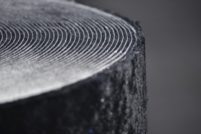
During his PhD at Delft University of Technology, Dr. Rik Breur studied how mussels and barnacles choose where to settle. They need open surface area. Finsulate's answer is a dense field of upright nylon fibers on a polyester film: a surface where larvae find no place to anchor.
The wrap goes on the hull with a two-component, water-based adhesive. Nylon fiber, polyester film, water-based glue: that's the whole material list. No copper, no tin, no biocide. The technology is patented worldwide and won the Dutch Innovation Award in 2014 under the Micanti brand.
Choosing a grade
A yacht that sits moored for months has a different problem from a workboat running six days a week. Finsulate optimizes the wrap for the way the vessel is actually used, so tell us the operating profile before we quote.
Maximum antifouling performance for vessels that spend long periods at anchor or in the slip, where paint systems fail fastest.
Speed-optimized for vessels underway most of the time, where drag and fuel burn matter more than settlement resistance.
Speed optimization combined with easy cleaning, for vessels that sail hard but occasionally sit for extended periods.
The financial case
Paint looks cheaper on day one. It stops looking cheaper somewhere in year 3 or 4, depending on the vessel. Here's the honest structure of the comparison we build for every quote.
| Cost driver | Conventional antifouling paint | Finsulate® wrap |
|---|---|---|
| Up-front cost | Lower | Higher |
| Repeat application | Every 1 to 3 years | None |
| Haul-outs for antifouling | Every cycle | One, at installation |
| Days out of service | Every cycle | One, at installation |
| Damage repair | Repaint the area | Spot-repairable in the field |
| Hazardous waste disposal | Scrapings and residue each cycle | None |
| Regulatory exposure | Rising as ports restrict biocides | None: no biocides to restrict |
Break-even depends on hull area, how often the vessel is currently repainted, and local yard rates. On a large yacht repainted annually, the crossover typically falls within the first few years. We won't guess at your numbers: send the vessel details and we'll build the comparison with every assumption written down.
Installation
Old antifouling stripped, marine-grade epoxy primer applied at least 24 hours before wrapping begins.
A trained installation team applies wrap panels cut for complete hull coverage.
Every panel checked for adhesion, seam integrity, and coverage before sign-off.
No curing delays, no fumes, no re-mobilisation. The vessel goes back in the water on schedule.
What owners get
In the water
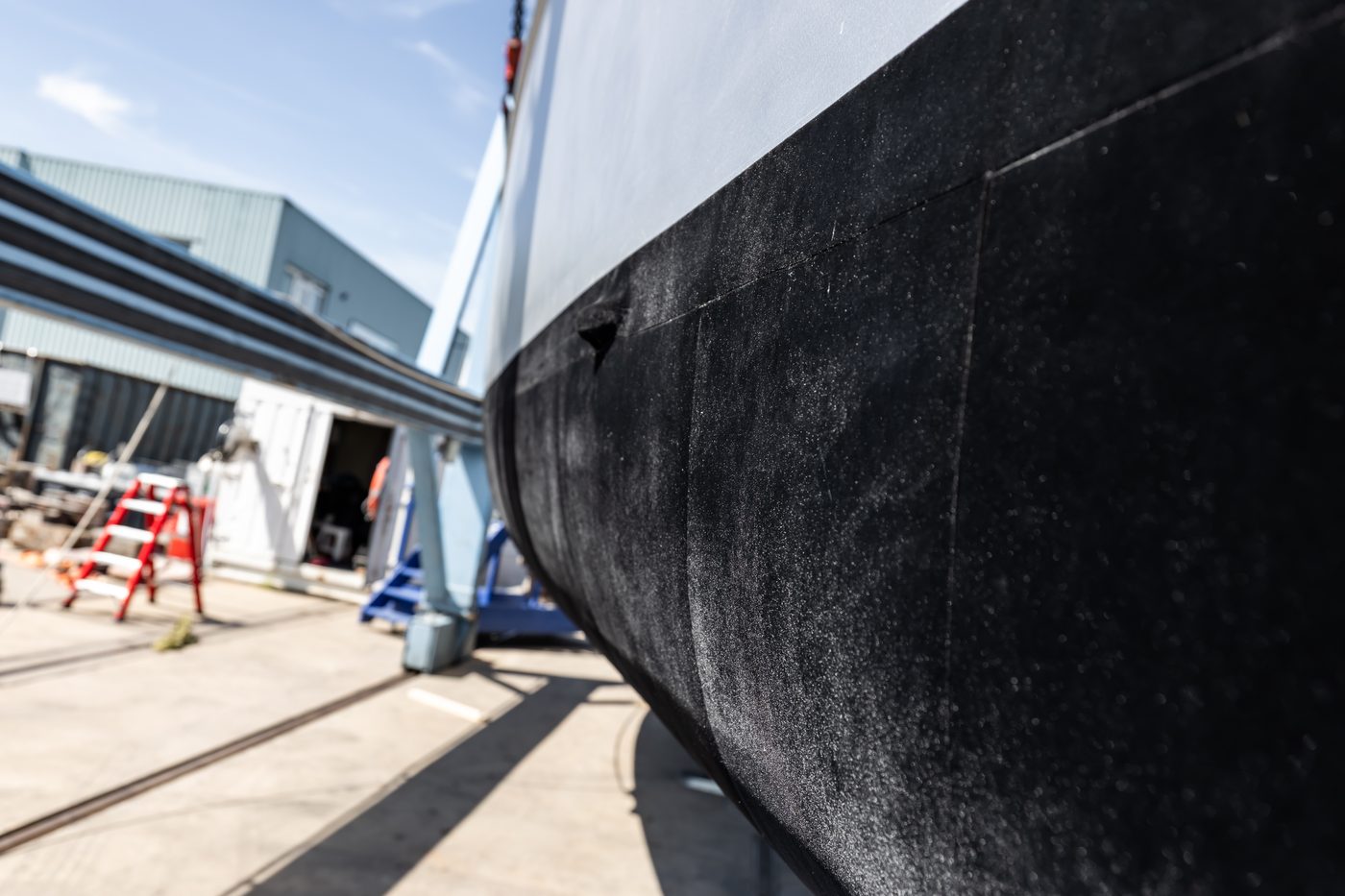
Wrapped hull surface: the fiber layer that fouling can't settle on.
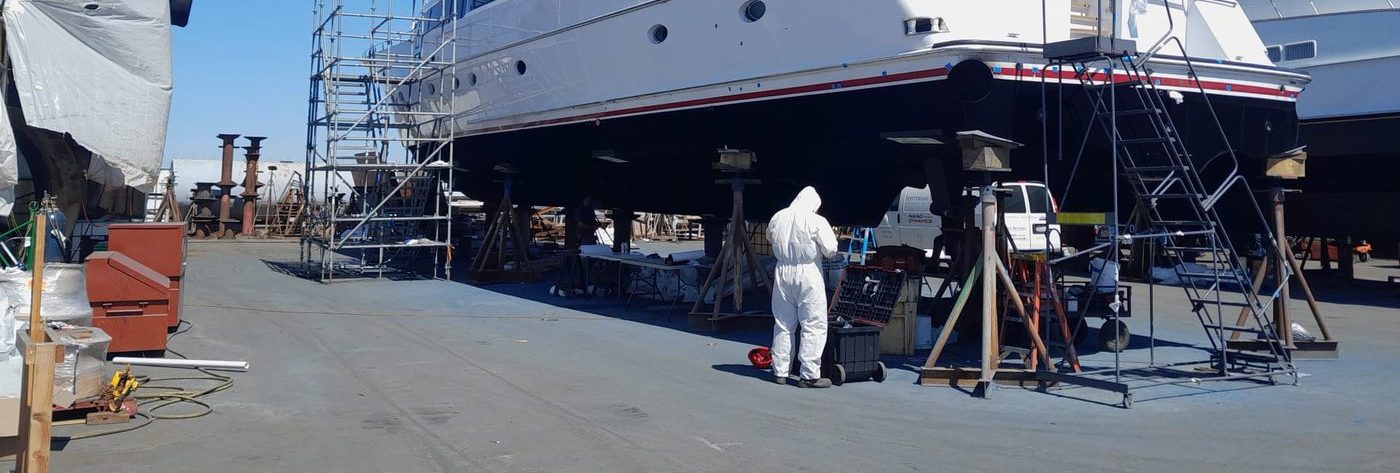
Motor yacht installation at a West Coast yard.
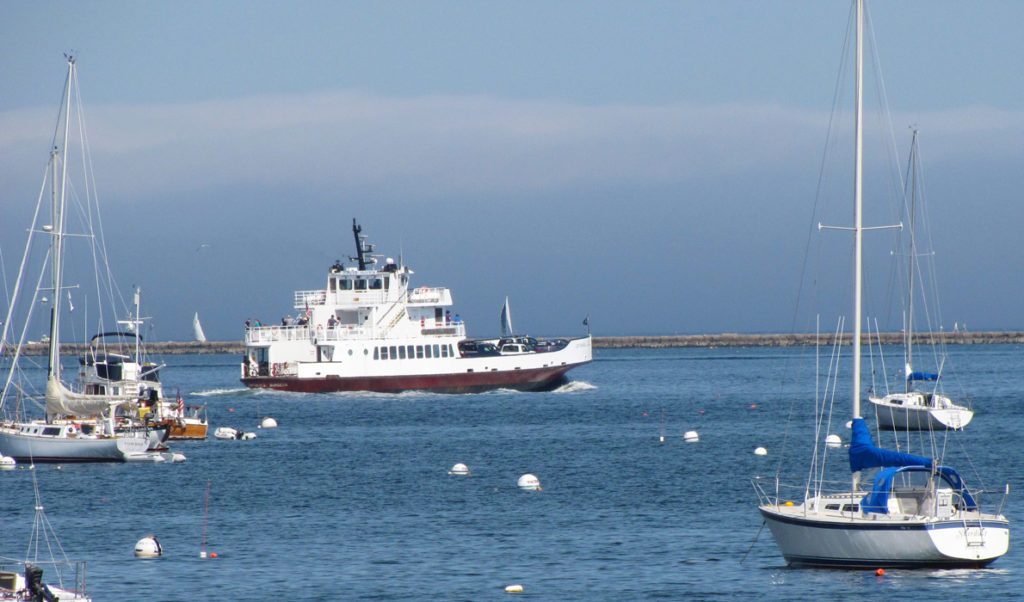
Ferries and workboats are next: fouling costs most on vessels that never stop working.
Send LOA, beam, draft, and your current antifouling routine. We return a comparison built for that vessel, usually within days.