Markets
Fouling costs money everywhere: fuel on a ferry, charter days on a yacht, yard slots at a marina. Here's how we work with each.
Yachts
A yacht on an annual repaint cycle pays for the same job over and over, plus the days lost to each haul-out. The wrap turns a recurring line item into a one-time one, and takes the biocide question off the table in ports that are tightening the rules.
We start with your vessel's dimensions and current routine, and return a documented cost comparison before you commit to anything. Installation happens at the yard of your choice.
Commercial & government fleets
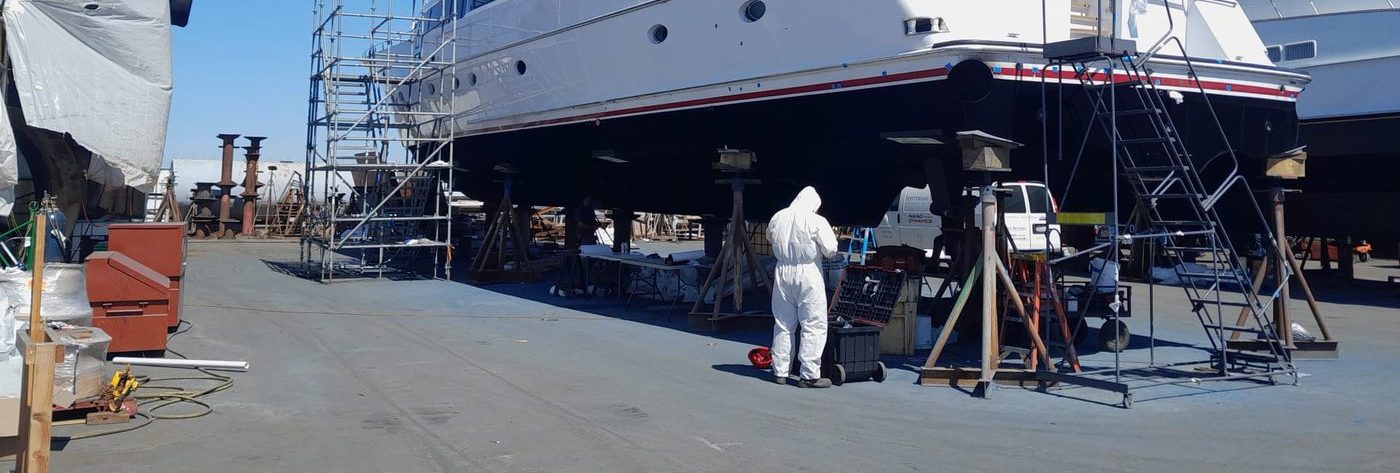
Working vessels can't chase antifouling performance windows. They sit at the dock overnight, run hard all day, and burn extra fuel for every layer of growth on the hull. The wrap protects moored or moving, with no repaint cycle eating into service schedules.
For fleet operators we structure pilot installations with third-party fuel monitoring, so the fuel-burn effect is measured by someone other than us. One vessel first; the fleet case builds itself from the data.

Yards & marinas
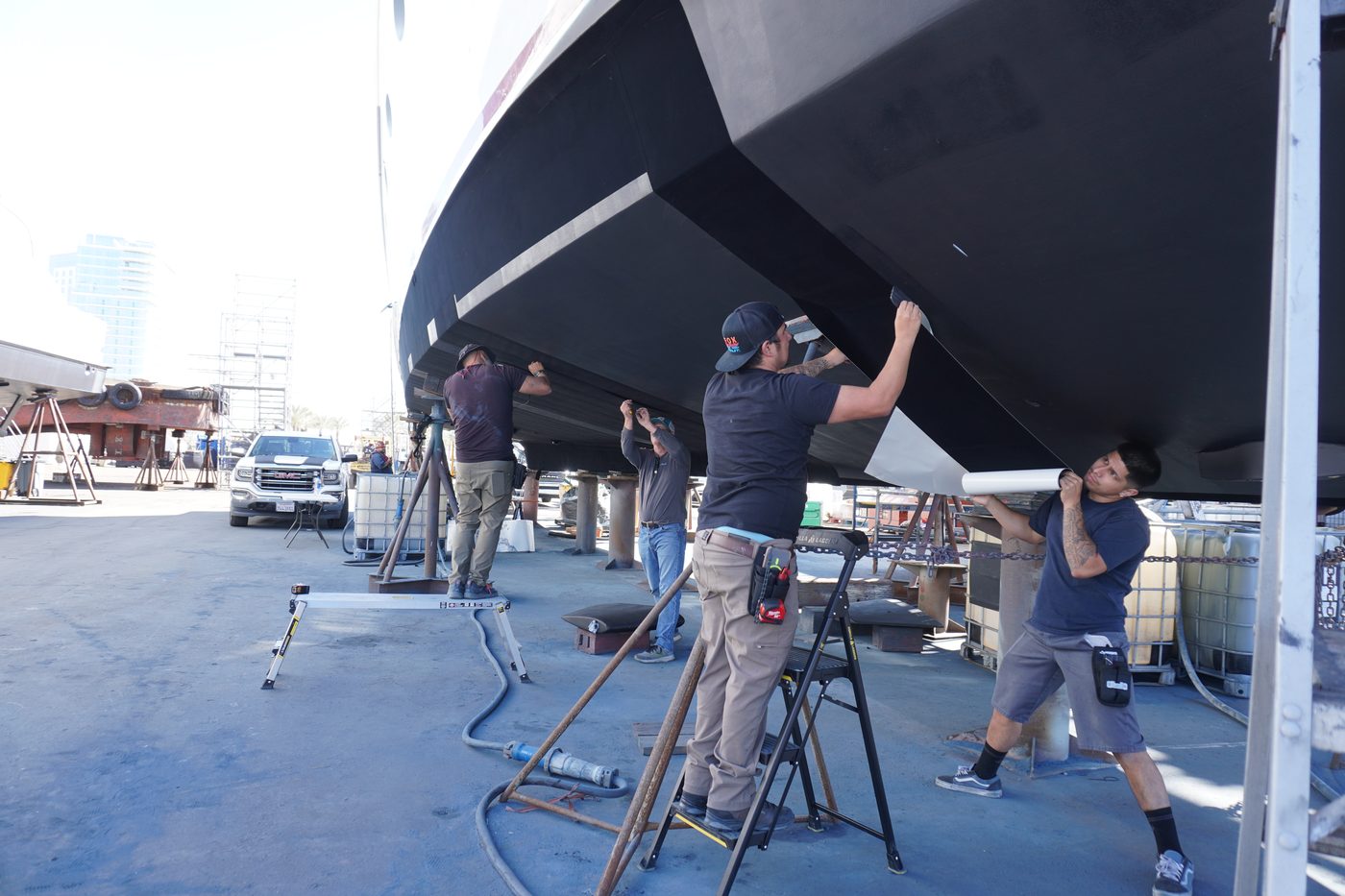
Every wrapped hull needs a certified installation crew, and that crew is local. For yards and marinas, wrap installation is a new service line with customers who come back for inspection and spot repairs rather than full repaints.
Boat builders
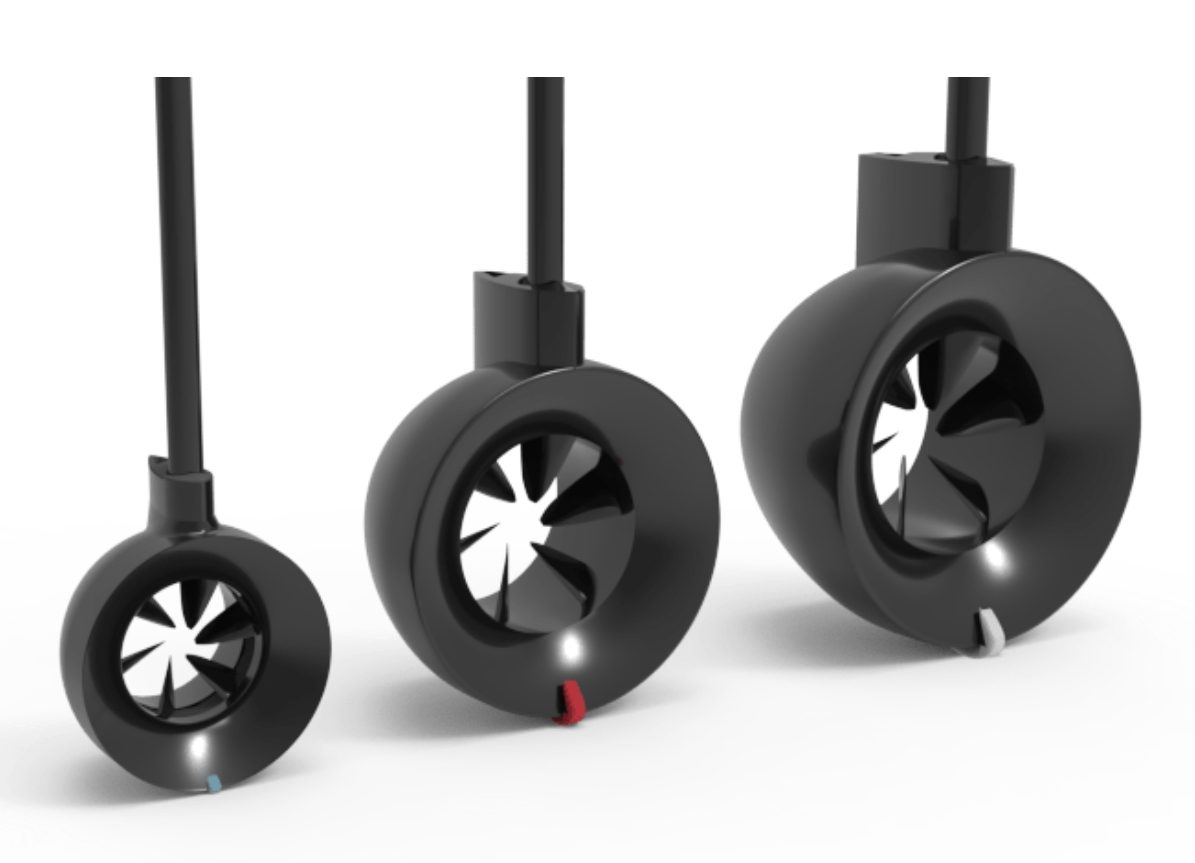
Hy.G's RIM6 and RIM14 install as complete kits: motor, controls, cabling, and LiFePO4 batteries, with factory documentation for transom and pod mounting. For autonomous platforms, the RIM1.5 brings the same architecture at ASV, AUV, and ROV scale.
If you're specifying propulsion for a new model line, we'll get you a demo unit and a technical call with the factory in Vannes.
Write to us and describe the vessel or the operation. We'll tell you plainly whether the numbers work, and show you how we got there.